
 Long before olive oil was a pantry staple, European cooks pressed beechnuts for a delicate, golden oil that deserves a place in modern kitchens.
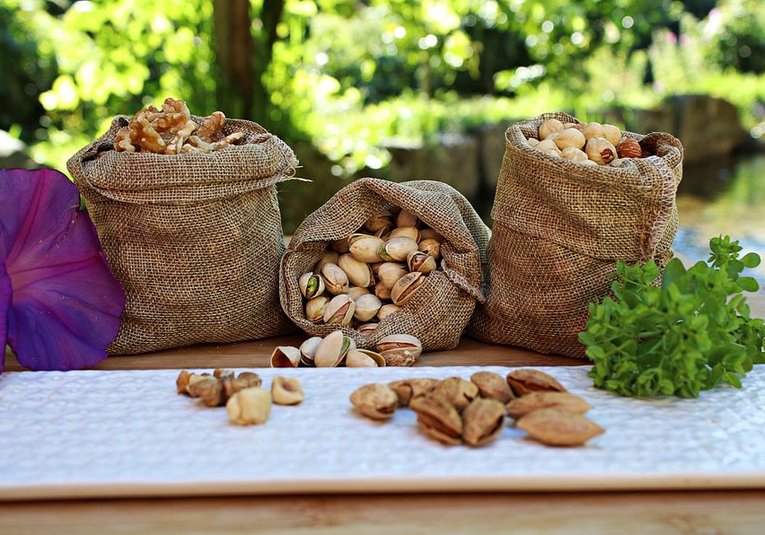
Cold-Water Leaching: The Patient Art of Turning Acorns into Sweet Flour
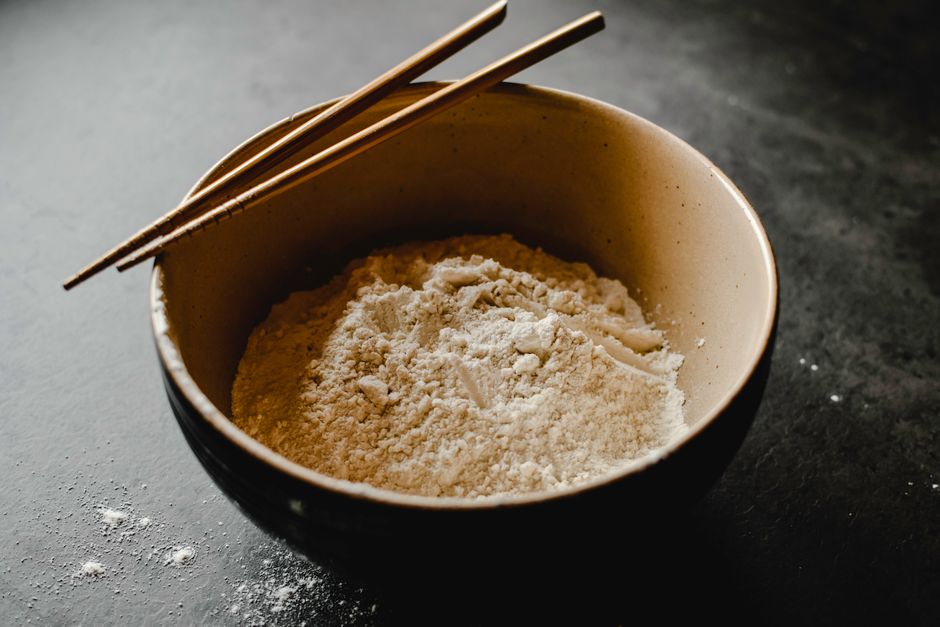
Anyone who has bitten into a raw acorn knows the problem immediately: that dry, puckering bitterness that seems to coat the entire mouth. That's tannin, and it has to go before acorns become anything you'd want to eat. There are two main ways to remove it, and while hot-water leaching gets all the attention for being quick, cold-water leaching is the method I keep coming back to for flavor.
The principle is simple. Tannins are water-soluble, so soaking ground or chopped acorns in water pulls them out over time. Heat speeds the process but also cooks the acorn, which can dull its natural sweetness and give the flour a slightly flat, boiled character. Cold water is slower, often taking several days, but it leaves you with a cleaner, nuttier flour that behaves beautifully in baking. If you're making acorn flour for cookies, pancakes, or a hearty winter porridge, the extra patience pays off.
The Cold-Water Method, Step by Step
Start with fully ripe acorns, ideally from white oaks, which tend to have lower tannin levels than red oaks. Discard any with holes, cracks, or dark spots, since these often harbor weevil larvae. Shell them, which is easiest when they're freshly dried and the caps pop off cleanly. You can crack them with a nutcracker, a hammer on a hard surface, or the classic method of placing them on a board and tapping with a stone. Winnow away the papery skins as best you can.
Next, grind or chop the kernels. A food processor works well, but pulse rather than blend, or you'll end up with acorn butter. You want a coarse meal, roughly the texture of cornmeal. Put the meal in a large glass jar or bowl and cover it with cold water, about three parts water to one part meal. Refrigerate it, because warm standing water will ferment and sour. Change the water two or three times a day, stirring gently and pouring off the cloudy liquid. Taste a tiny bit each time you change the water. After the first day it will still be bitter; by the second or third day the bitterness fades, and by the fourth or fifth it should taste mild and slightly sweet.
When the water stays clear and the meal tastes good, strain it through a fine sieve or cloth. You now have wet acorn meal, which you can use immediately in porridge or mash, or dry for flour. To dry, spread it thinly on a baking sheet and place it in a warm, well-ventilated spot, or use an oven on its lowest setting with the door cracked. Stir occasionally until completely dry, then grind again in a blender or coffee grinder for a finer flour. Store it in the freezer for longest shelf life, since acorn flour contains oils that can go rancid.
What to Make with Your Cold-Leached Flour
Acorn flour is gluten-free, so it needs a binder or a partner flour in most baked goods. I like to use it half-and-half with wheat flour in pancakes, muffins, and quick breads, where its earthy sweetness shines. It also makes an excellent thickener for stews and a satisfying base for porridge, cooked with milk or water and finished with maple syrup and a knob of butter. Because cold-leaching preserves more flavor, you'll notice the difference most in simple recipes where the acorn is the star, not buried under spice. Try a plain acorn shortbread or a batch of acorn and honey biscuits and you'll understand why the slow method is worth the wait.