
 Practical guidelines for harvesting wild tree nuts responsibly while keeping yourself and wildlife safe.
Beechnut Oil: A Forgotten Forest Fat Worth Rediscovering
Beechnuts are small, triangular, and fiddly to shell, which is probably why most modern foragers eat them roasted by the handful and leave it at that. But there's another tradition worth reviving: pressing them for oil. In parts of Europe, beechnut oil was once a common kitchen fat, valued for its mild, slightly sweet flavor and its ability to keep without going rancid quickly. It's a project, not an afternoon's work, but the result is genuinely special.
Beechnuts are roughly forty to fifty percent oil by weight, which is remarkably high for a wild nut. That oil is why they were historically prized in lean times and why they can be pressed at all. The flavor is delicate, somewhere between hazelnut and a light olive oil, with a faint sweetness that makes it lovely for dressings and finishing. It's not a high-heat frying oil; think of it more like a finishing oil, used sparingly where its character can come through.
Preparing Beechnuts for Pressing
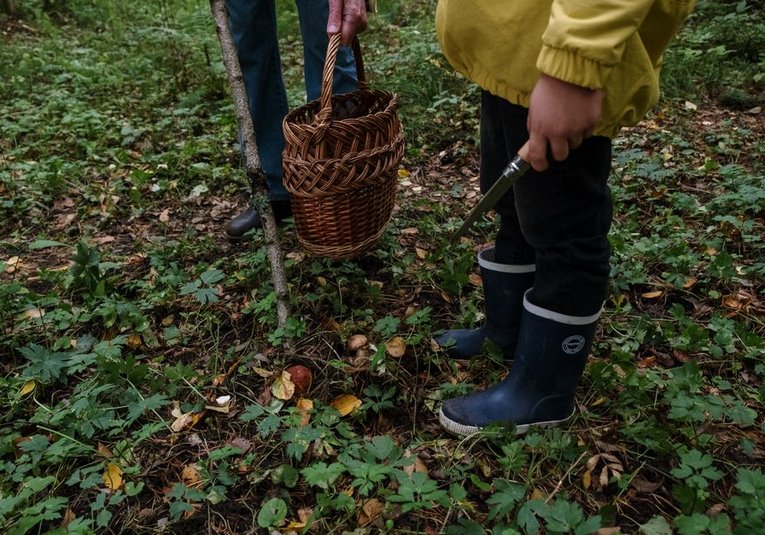
Start with fully ripe beechnuts, gathered after the burrs have opened and the nuts have fallen. Discard any that are shriveled, moldy, or have tiny holes, which usually mean insect damage. Shelling beechnuts is tedious; the shells are thin but tightly cling to the kernel, and a small pair of pliers or a nutcracker works better than fingers. Do it in batches over a bowl, and don't worry about getting every last bit of shell off, since the pressing process will filter most of it out.
Once shelled, the kernels need to be dried and then gently toasted. Toasting is optional but improves flavor and helps release the oil. Spread the kernels on a baking sheet and toast at a low temperature, around 250 degrees Fahrenheit, until they smell nutty and have darkened slightly. Let them cool completely, then grind them in a food processor or blender until they form a thick, moist paste. This paste is the raw material for pressing.
Pressing Oil at Home
Traditional beechnut oil was pressed with heavy wooden or stone presses, but you can make a small batch at home with simpler tools. The easiest method is a manual oil press, which is affordable and works well for small quantities of nuts. If you don't have one, you can use a strong vise or a potato ricer lined with fine cloth, though the yield will be lower. Another approach is the water-and-simmer method: simmer the ground paste in a pot of water, let it cool, and skim the oil that rises to the surface. This is messier and produces a slightly cloudier oil, but it works.
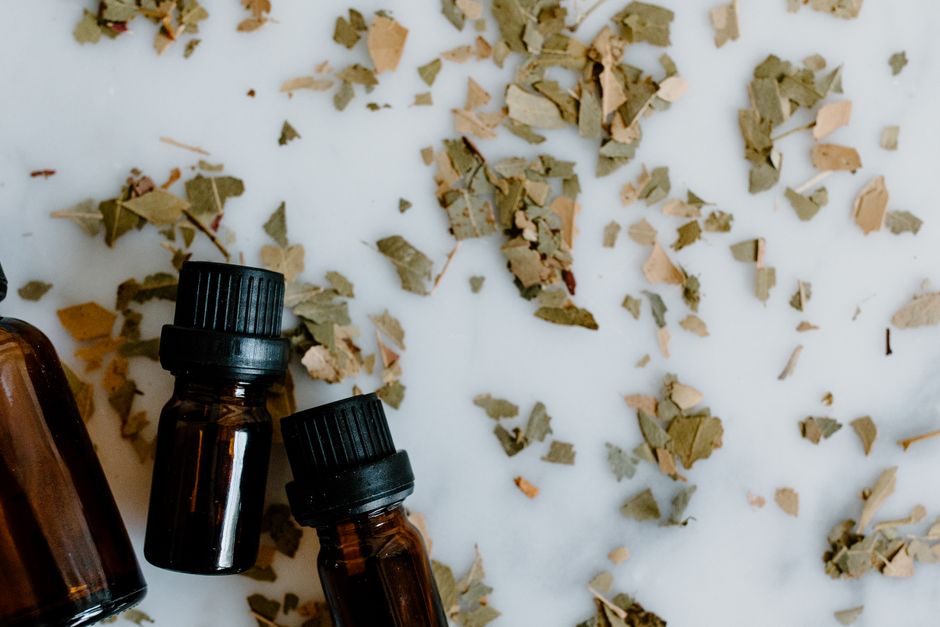
Whatever method you choose, strain the oil through a fine cloth or coffee filter to remove any solids. Fresh beechnut oil is a beautiful golden color and has a subtle, nutty aroma. Store it in a dark glass bottle in a cool, dark place, where it should keep for several months. Use it to dress a simple salad of bitter greens, drizzle it over roasted root vegetables, or brush it onto fish before grilling. It's also lovely in baked goods where a mild nut flavor is welcome. The yield from a pound of shelled beechnuts is modest, maybe a few tablespoons, so treat it as a luxury. That's exactly what it was for centuries, and that's how it deserves to be used today.