
 A side-by-side look at three of the best wild tree nuts, from flavor and texture to cracking difficulty.
The Complete Beginner's Guide to Foraging Beechnuts
Beechnuts are one of the most overlooked wild foods in North American and European forests, which is a shame, because they are delicious, nutritious, and free for the taking if you know where to look. The American beech (Fagus grandifolia) and its European cousin (Fagus sylvatica) produce small, triangular nuts that ripen in autumn and taste something like a cross between a hazelnut and a chestnut, with a subtle sweetness that deepens when roasted. Once you learn to spot them, you will never walk past a beech tree in fall without checking the ground beneath it.
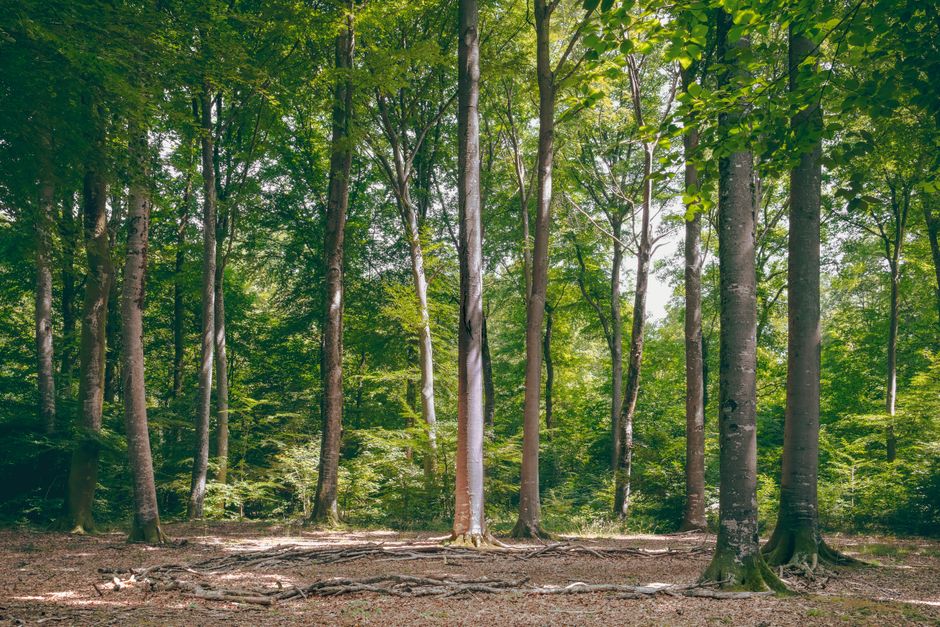
Start by learning the tree itself. Beech trees have smooth, light gray bark that looks almost like elephant skin, and in winter they hold onto their leaves longer than most species, so you can often identify them by the pale, papery leaves still clinging to lower branches. The leaves are oval with distinctly toothed edges and parallel veins. Mature trees can reach eighty feet or more, and they tend to grow in moist, well-drained woodlands, often alongside maples, oaks, and hemlocks. Once you can recognize the bark and leaves, you will start seeing beeches everywhere.
When and How to Harvest Beechnuts
Beechnuts ripen in September and October, depending on your climate. The prickly husks that hold the nuts split open when they are ready, dropping the small triangular seeds to the forest floor. The best time to gather is right after a windy day or a light frost, when the husks have opened and the nuts are loose. Bring a cloth bag or a bucket, because plastic traps moisture and encourages mold. You will be competing with squirrels, deer, and wild turkeys, so check frequently and gather early in the season before the wildlife cleans up.
Look for nuts that are plump, glossy, and free of holes. A small hole usually means a weevil grub has moved in. Discard any nuts that feel light, float in water, or have dark spots. A quick float test in a bowl of water works well: good nuts sink, bad ones float. Expect to spend more time sorting than gathering, especially in a good mast year when the ground is carpeted with husks.
Processing and Storing Your Harvest
Fresh beechnuts are bitter and mildly astringent because of the tannins in the skin, so they need a little coaxing before they are pleasant to eat. The simplest method is to dry them in a single layer on a screen or baking sheet for a week or two in a warm, airy room, stirring occasionally. As they dry, the inner skin loosens and the flavor mellows. Once dry, you can crack them with a nutcracker or roll them gently under a rolling pin. The kernels are small, so patience is part of the process.
To really bring out their flavor, toast the shelled kernels in a dry skillet over medium heat for five to eight minutes, stirring constantly until they smell nutty and turn a shade darker. This step also helps remove any lingering bitterness. Toasted beechnuts can be eaten by the handful, ground into flour, or folded into cookies, stuffings, and salads. Store shelled nuts in an airtight jar in the refrigerator for up to a month, or freeze them for longer. If you keep them in the shell, they will last several months in a cool, dry place.
One important note: raw beechnuts contain small amounts of a compound called fagin, which can cause stomach upset if eaten in large quantities, so always toast or roast them before eating and enjoy them in moderation. A handful or two at a time is plenty. With a little practice, you will find that beechnuts are one of the most rewarding wild foods a temperate forest has to offer.