
 Practical guidelines for harvesting wild tree nuts responsibly while keeping yourself and wildlife safe.
Ethical and Safe Foraging: Rules Every Nut Gatherer Should Know
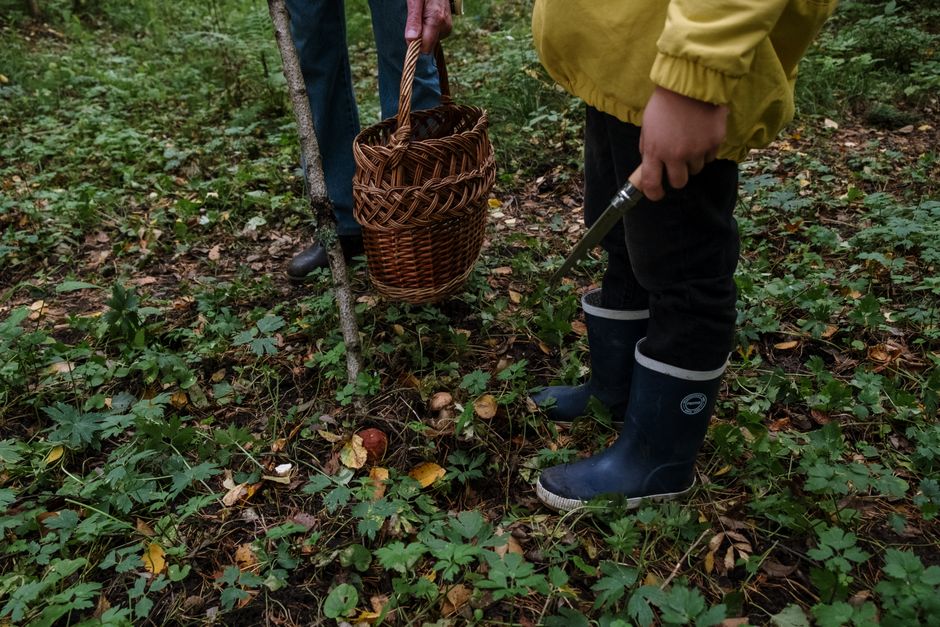
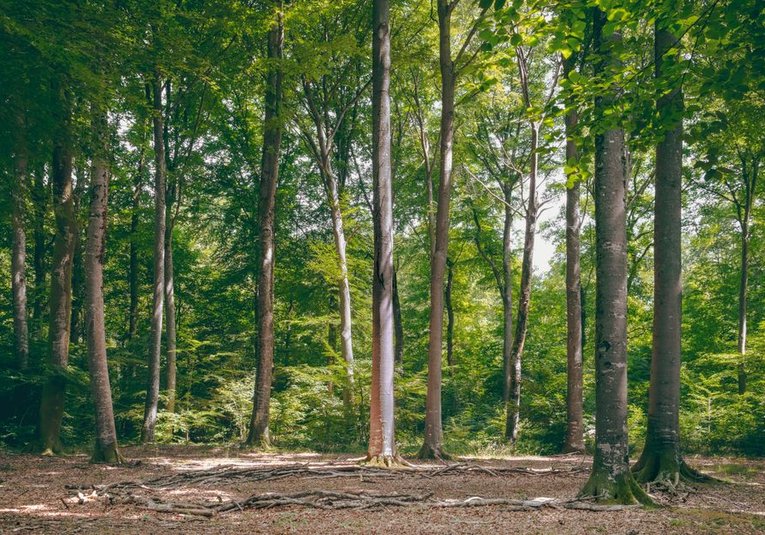
Foraging for wild tree nuts is one of the most accessible ways to connect with the forest, but it comes with responsibilities. Whether you are gathering acorns in a city park, beechnuts along a woodland trail, or hickory nuts on private land, a few simple guidelines will help you harvest ethically, stay safe, and leave the forest healthy for the next person and the next generation of wildlife.
The first rule is simple: know where you are allowed to forage. National and state parks often prohibit removing any natural materials, while many national forests and Bureau of Land Management areas allow personal-use gathering of nuts and berries in reasonable quantities. Always check local regulations before you fill a bag. On private land, get explicit permission from the landowner, and respect any conditions they set. Never dig up plants or break branches to reach nuts, and never harvest from trees that have been planted or cultivated without permission.
Take Only What You Need, and Leave Plenty Behind
Wild nuts are a critical food source for deer, squirrels, chipmunks, turkeys, bears, and countless insects and birds. In a poor mast year, when trees produce few nuts, it is best to gather sparingly or skip a spot entirely. A good practice is to take no more than a quarter of the nuts you find in any given area, and to spread your gathering across several trees rather than stripping one tree clean. Leave the nuts that are already cracked, discolored, or partially eaten, since they are likely feeding something else.
Think about timing too. Nuts that have just fallen are the most desirable, but they are also the easiest for wildlife to find. If you wait a few days after a heavy drop, you will still find plenty, and the animals will have had a chance to take their share. Avoid gathering in the same spot every day, and rotate your favorite patches from year to year to reduce pressure on any single area.
Staying Safe in the Field
Safety starts with identification. Never eat a wild nut unless you are absolutely certain of its identity. Some nuts, like those of the buckeye and horse chestnut, are toxic, and they can look similar to edible species at a glance. Learn the distinguishing features of the trees in your region, and carry a reliable field guide. If you are new to foraging, go with an experienced guide or join a local foraging group for your first few outings.
Watch for hazards as well. Beech and oak trees often grow near poison ivy, which can be tricky to spot in autumn. Wear long pants, closed shoes, and gloves, and check yourself for ticks after every outing. Be aware of your surroundings, especially near roads where nuts may be contaminated by exhaust or roadside spraying, and avoid gathering from areas that may have been treated with pesticides. Finally, always tell someone where you are going and when you expect to be back, and carry a phone or whistle in case of emergency.
Ethical foraging is not about rigid rules; it is about paying attention. When you gather with care, you become part of the forest's rhythm rather than a disruption to it, and the nuts you bring home taste all the better for it.