
 Shagbark hickory nuts are worth every bit of the effort it takes to crack them, and their distinctive bark makes them easy to identify once you know what to look for.
Hickory Nuts, Black Walnuts, and Beechnuts: A Forest Nut Comparison
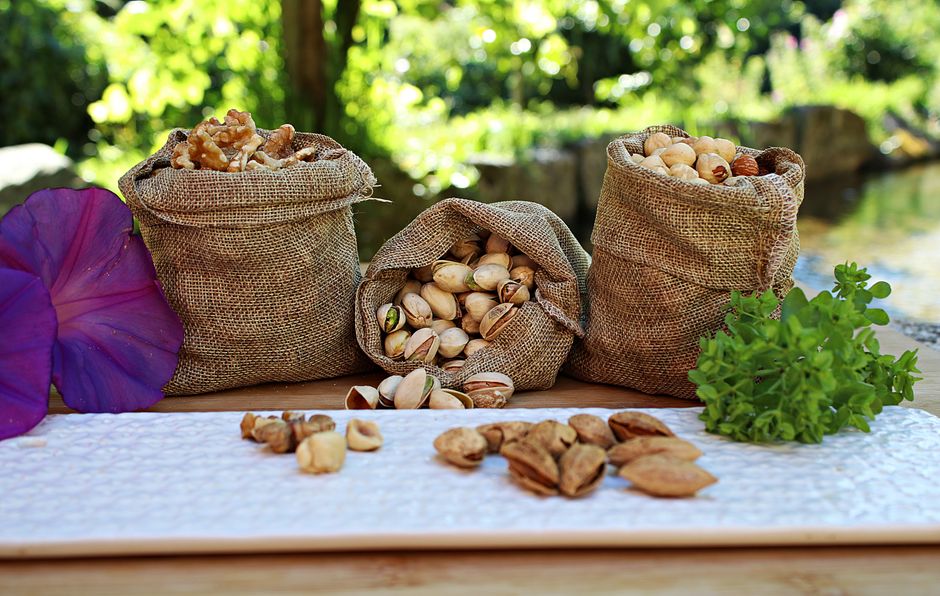
If you spend enough time in Eastern or Central hardwood forests in autumn, you will eventually cross paths with three of the most rewarding wild tree nuts: hickory nuts, black walnuts, and beechnuts. Each has its own personality, its own harvesting quirks, and its own place in the kitchen. Understanding how they differ will help you decide which ones are worth your time and how to use them once you get them home.
Hickory nuts come from several species in the Carya genus, including shagbark, shellbark, and mockernut. Shagbark hickory is the gold standard, with a rich, sweet, buttery flavor that many foragers consider the best of any wild nut. The husks split open in four sections when ripe, revealing a hard, smooth shell. Inside is a kernel that is difficult to extract in perfect halves, but worth every frustrating minute. Hickory nuts are excellent eaten raw, pressed for oil, or baked into pies and cookies.
Black Walnuts: Bold Flavor, Big Effort
Black walnuts are the most assertive of the three. Their flavor is deep, winey, and slightly bitter in a pleasant way, and a little goes a long way in baking. The challenge is the husk, which stains everything it touches with a dark brown dye that will not wash out of clothing. Wear gloves and old clothes when hulling them, and cure the nuts in a cool, airy place for several weeks before cracking. The shells are incredibly hard, so a heavy-duty nutcracker or a hammer on a concrete surface is the tool of choice. Once you have the kernels, they freeze beautifully and hold their flavor for a year or more.
Beechnuts are the smallest and most delicate of the trio. The American beech produces tiny triangular nuts that are sweet and mild, with a flavor somewhere between a hazelnut and a chestnut. They are easy to crack but tedious to shell in quantity, so most foragers use them in modest amounts rather than as a staple. They shine when toasted and sprinkled over salads, folded into stuffings, or ground into a fine meal for cookies. Because they are small and low in fat compared to hickories and walnuts, they do not store as long, so plan to use them within a few months.
Which Nut Should You Chase?
The honest answer is all three, but for different reasons. If you want the best flavor with the least bitterness, go for shagbark hickory. If you want a bold, distinctive nut for baking and you do not mind a mess, black walnuts are unbeatable. If you want something delicate, quick to crack, and fun to forage with kids, beechnuts are perfect. A mixed basket of all three, gathered on the same autumn walk, makes for a truly memorable wild nut pantry.
Whichever you choose, the general rules are the same: gather early, sort carefully, dry thoroughly, and store cool. Wild nuts are a seasonal gift, and learning to work with each species on its own terms is part of the pleasure. Start with whichever tree is most common in your area, and let the forest guide you from there.