
 A cozy, rustic cookie recipe that showcases toasted beechnuts and a touch of real maple syrup.
From Acorn to Flour: A Step-by-Step Leaching Guide
Acorns are one of the most abundant wild foods on the planet, and yet most people walk right past them because they have heard they are bitter. That bitterness comes from tannins, and once you learn to remove them, acorns become a mild, slightly sweet, and remarkably versatile ingredient. Acorn flour has a nutty flavor and a slightly coarse texture that works beautifully in quick breads, pancakes, and as a thickener for soups and stews. The process takes a little time, but most of it is hands-off.
Start by gathering acorns from white oak species if you can, because their tannins are lower and they leach faster. White oak acorns are typically sweeter and mature in a single season, while red and black oak acorns take two years and tend to be more bitter. Look for acorns that are firm, brown, and free of cracks or small round holes. Discard any that float in water. You will want a few pounds to start, since the yield of flour is modest. A good rule of thumb is that about five pounds of whole acorns yields roughly one pound of flour.
Shelling and Grinding Your Acorns
Spread your acorns in a single layer and let them dry for a week or two, which makes shelling much easier. Some foragers crack them fresh with a hammer or nutcracker, but dried acorns separate more cleanly. Once shelled, you will have a pile of pale kernels with a thin, papery skin. You can leave the skin on, but removing it produces a lighter, less bitter flour. A quick rub with a towel or a brief pulse in a blender helps loosen the skins.
Next, grind the kernels. A food processor or high-powered blender works well, but you can also use a hand-cranked grain mill if you have one. Grind in short pulses until you have a coarse meal. Do not over-process, or you will end up with acorn butter instead of flour. At this stage, the meal is still bitter and must be leached.
Leaching the Tannins
There are two main methods: cold water leaching and hot water leaching. Cold water leaching is slower but preserves more of the flour's flavor and nutrients. Put the meal in a large jar or bowl, cover it with several inches of cold water, and refrigerate. Change the water twice a day for two to five days, until the water runs clear and the meal tastes sweet rather than astringent. Hot water leaching is faster: pour boiling water over the meal, let it sit for an hour, then drain and repeat several times over the course of a day. This method is quicker but can cook the flour slightly and dull the flavor.
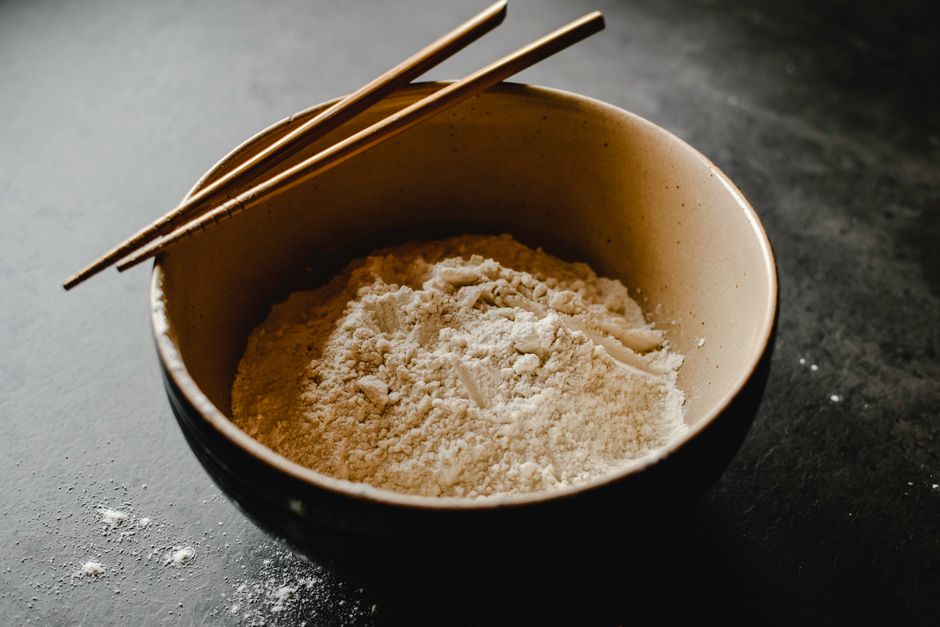
Once leached, spread the wet meal on a baking sheet lined with parchment and dry it in a low oven (around 150°F) or a dehydrator until it is completely dry and crumbly. Break up any clumps and store the flour in an airtight jar in the freezer for long-term storage. Use it in place of up to half the wheat flour in muffins, pancakes, and cookies, or whisk a spoonful into gravies and stews for body and depth. Acorn flour is a genuinely satisfying pantry staple once you have made your first batch.