
 Turn bitter wild acorns into sweet, versatile flour you can use in breads, pancakes, and thickeners.
Shagbark Hickory: The Sweetest Nut in the Eastern Forest
Ask any experienced forager in the eastern United States to name their favorite wild nut, and you'll hear shagbark hickory more often than not. The flavor is rich, sweet, and almost buttery, closer to a pecan than a walnut, and it holds up beautifully in both sweet and savory cooking. The catch, as anyone who has tried will tell you, is getting the meat out of the shell. But once you learn a few tricks, shagbark hickory becomes one of the most rewarding nuts in the forest.
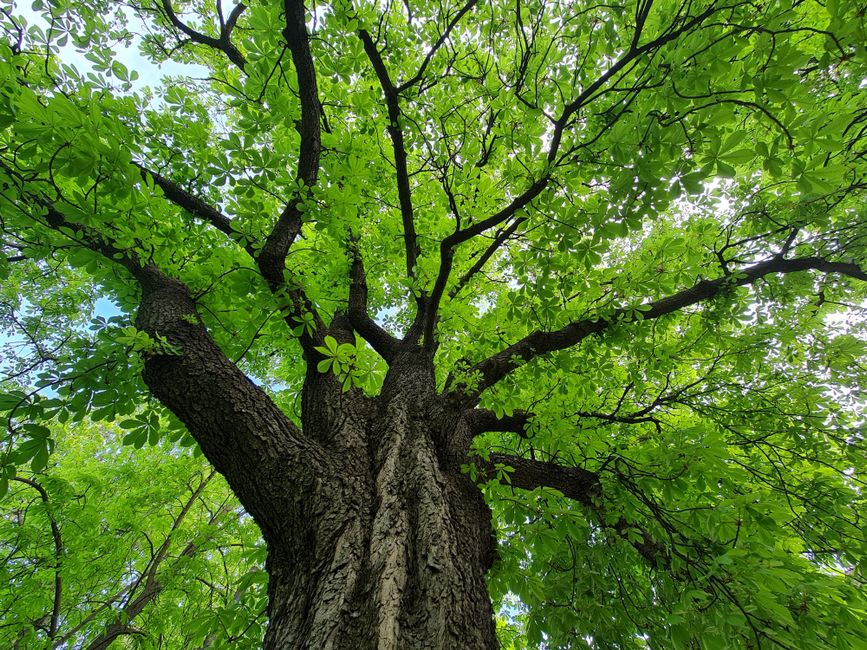
Shagbark hickory (Carya ovata) is named for its bark, which peels away from the trunk in long, loose strips that curve outward at the ends. No other common tree looks quite like it, which makes identification reassuringly simple once you've seen one. The leaves are pinnately compound, usually with five leaflets, and the nuts grow in clusters of two to five, enclosed in thick, four-parted husks that split open when ripe in early to mid-autumn.
Finding and Gathering Shagbark Hickory Nuts
Shagbark hickory grows across much of the eastern and central United States, often on dry ridges and slopes alongside oak and beech. It's a slow-growing, long-lived tree, and the best nut production comes from mature trees with good sun exposure. Look for the nuts on the ground after the husks have split and turned from green to brown. A good shagbark year is unmistakable: the ground beneath a productive tree will be littered with husks and nuts, and squirrels will be working overtime.
Gather nuts that are still in good condition, discarding any with holes, cracks, or signs of mold. The husks can be removed by hand or by rubbing the nuts together; some foragers prefer to let them dry a few days first, which makes the husks easier to separate. Once husked, spread the nuts in a single layer in a warm, airy spot to cure for a couple of weeks. Curing improves flavor and makes the shells easier to crack.
Cracking, Picking, and Using the Meat
The shell of a shagbark hickory is thick and stubborn, and there's no elegant way around it. A heavy-duty nutcracker helps, but many foragers use a hammer and a hard, stable surface, or a vise. The trick is to strike the nut on its side, along the seam, rather than on the point. You want to crack the shell without shattering the kernel inside. Work over a bowl to catch flying pieces, and wear safety glasses if you're hammering a lot of them.
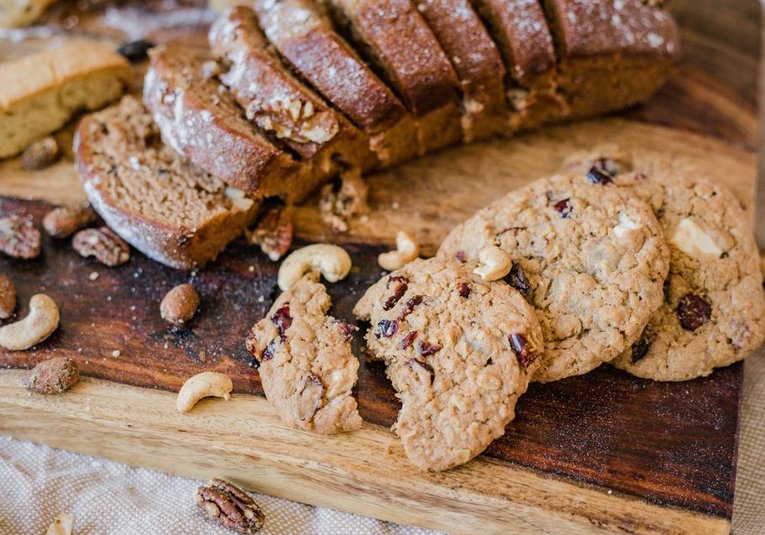
Picking the meat is the slow part. A good pair of needle-nose pliers or a nut pick makes it easier, and the reward is worth the tedium. Shagbark hickory nuts can be eaten raw, but toasting them in a dry skillet or a low oven for a few minutes deepens their flavor and makes the skins easier to rub off. Use them anywhere you'd use pecans: in pies, cookies, quick breads, salads, or chopped over roasted squash. They also make a superb nut butter if you're patient with the food processor. The work is real, but a jar of hand-picked shagbark hickory nuts is one of the finest things a forager can put on the table.